What Makes a Motorcycle Helmet Worth Paying More For? Key Factors Explained
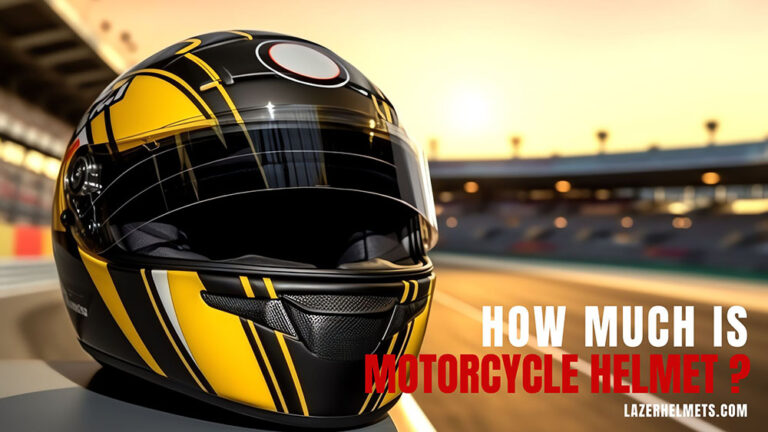
Motorcycle helmets range from under $100 to well over $1,000, which can make choosing one confusing. You might wonder if the cheapest option will keep you just as safe as a more expensive one. Some pricier helmets do offer real benefits, but not all high costs mean better protection.
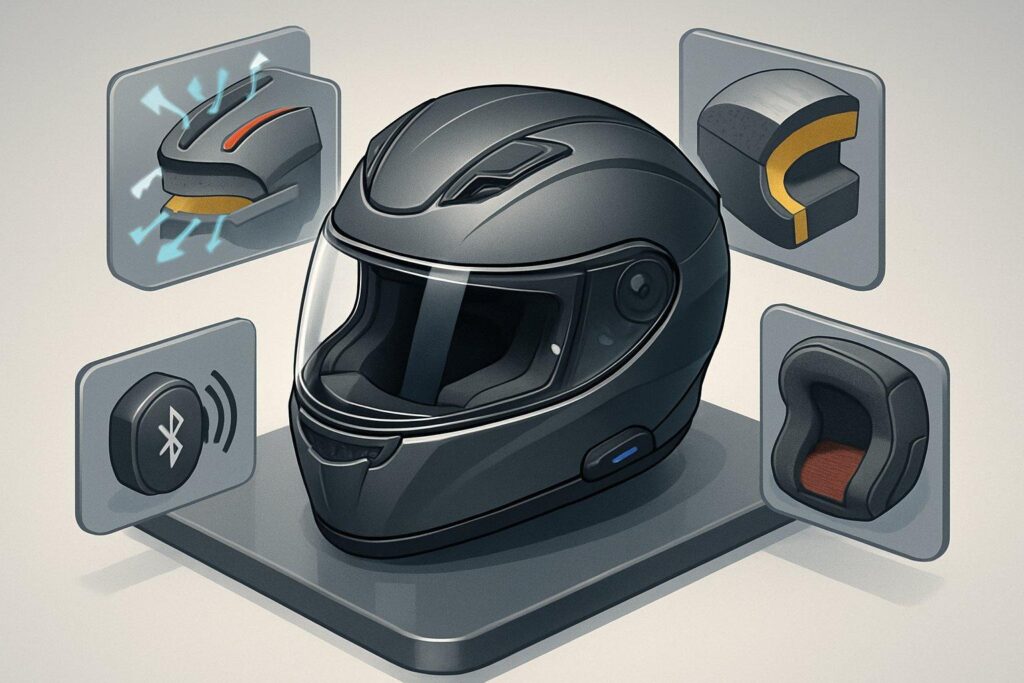
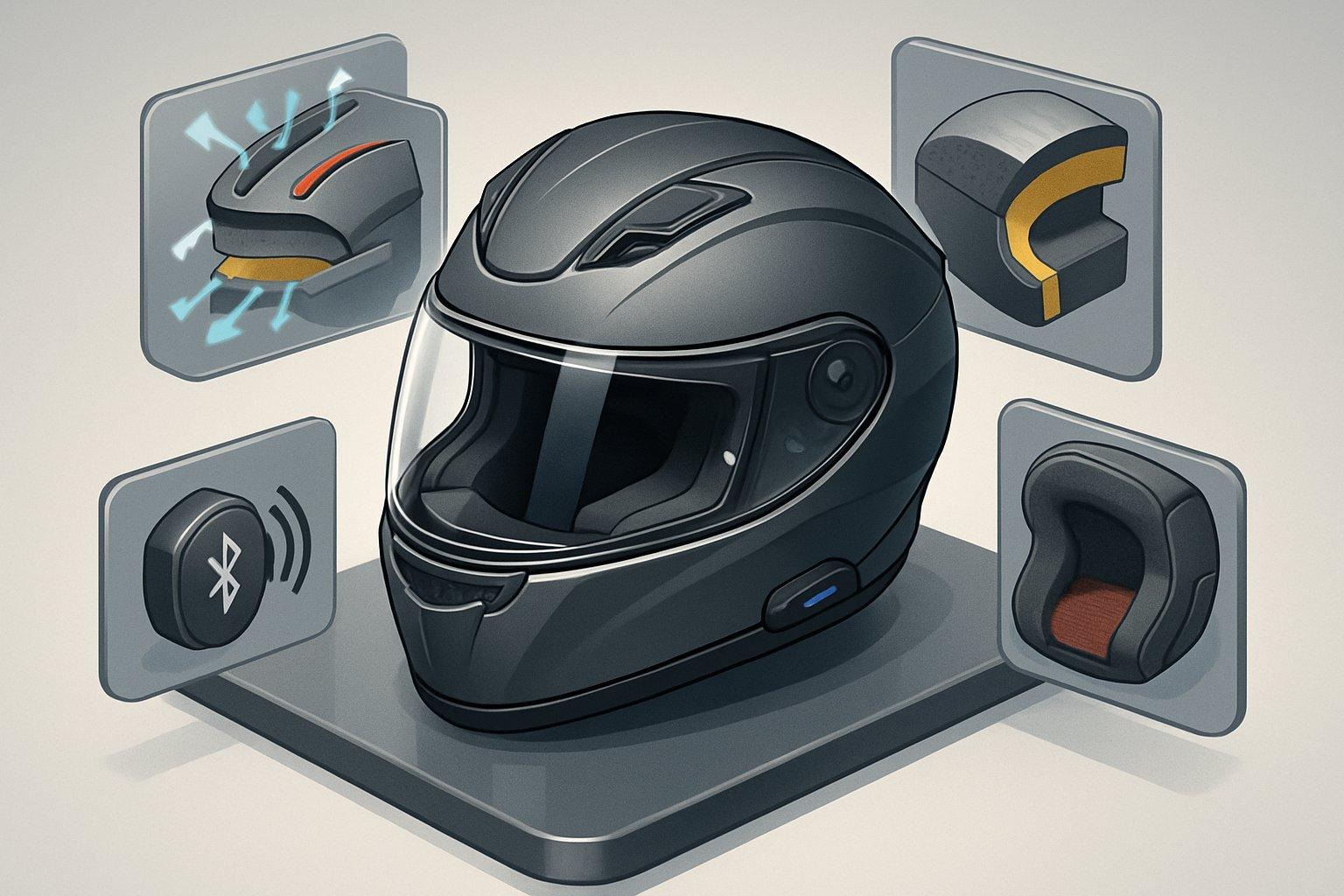
Higher-priced helmets usually provide better materials, improved comfort features, and advanced safety technology that budget options don’t include. More expensive helmets often use lighter and stronger shell materials, better ventilation systems, and more comfortable padding.
At the premium end of the spectrum, brands carried by Hedon show what higher helmet pricing can deliver, combining luxury materials, hand-crafted shells, and refined comfort features that go beyond basic safety requirements. These helmets appeal to riders who value lightweight construction, distinctive design, and long-term comfort alongside certified protection.
All helmets sold legally must meet the same basic safety standards. The key is knowing which extra features actually matter for your riding style and which ones you’re just paying extra for because of brand names.
Key Takeaways
- More expensive helmets offer better materials, comfort, and advanced features beyond basic safety requirements
- All legal helmets meet minimum safety standards, so you don’t need to buy the most expensive option for basic protection
- The best value comes from understanding which premium features match your specific riding needs rather than just buying the highest-priced helmet
Core Factors That Justify Paying More for a Motorcycle Helmet

Higher-priced helmets deliver measurable improvements in impact protection, use stronger materials in their construction, and include features that directly affect your safety and comfort. The price difference between budget and expensive motorcycle helmets reflects specific engineering choices that can protect you better in a crash.
Impact Protection and Safety Standards
Your helmet’s ability to protect you depends on meeting rigorous safety standards. The Snell Memorial Foundation, ECE certification, and the Consumer Product Safety Commission (CPSC) each require different testing methods to verify helmet safety.
Full-face helmets that pass Snell certification undergo more demanding impact tests than those meeting only DOT standards. These tests measure how well the helmet absorbs energy during crashes at different speeds and angles. ECE certification requires helmets to pass penetration resistance tests and chin bar strength evaluations that many basic helmets skip.
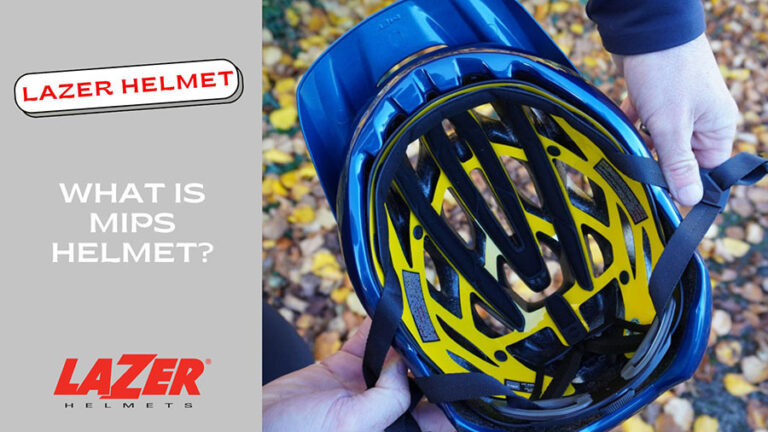
Expensive helmets often include Multi-Directional Impact Protection System (MIPS) technology. MIPS adds a low-friction layer inside the helmet that allows slight rotation during angled impacts. This rotation reduces the rotational forces transmitted to your brain during a crash.
The Expanded Polystyrene (EPS) liner in high-end helmets uses multiple foam densities. Each density manages different impact forces, providing better protection across various crash scenarios than single-density foam found in cheaper models.
Materials and Shell Construction
Premium motorcycle helmets use carbon fiber, Kevlar, or fiberglass composite shells instead of basic thermoplastic. Carbon fiber provides the strongest protection per ounce of weight, making expensive helmets both safer and more comfortable during long rides.
Helmet manufacturers engineer these advanced materials to distribute impact forces across a larger surface area. A carbon fiber shell flexes slightly on impact before the EPS liner absorbs the remaining energy. This two-stage protection system works better than the rigid shells on budget helmets.
Shell Material Comparison:
| Material | Weight | Impact Resistance | Price Impact |
| Thermoplastic | Heavy | Basic | Low |
| Fiberglass Composite | Medium | Good | Medium |
| Carbon Fiber | Light | Excellent | High |
| Kevlar Composite | Light | Excellent | High |
Shell construction quality affects how well your helmet holds up over time. High-end helmets maintain their protective properties longer because premium materials resist degradation from UV exposure and minor impacts better than cheaper alternatives.
Advanced Helmet Features and Technology
Expensive motorcycle helmets include an emergency release system that lets first responders remove your helmet safely after a crash. This feature uses cheek pads that pull away easily without moving your head or neck.
Ventilation systems in premium full-face helmets move more air through multiple channels. Better airflow reduces heat buildup and prevents visor fogging without compromising the shell’s structural integrity. Budget helmets typically have fewer vents that don’t channel air as effectively.
Modular helmets at higher price points offer chin bars that flip up smoothly and lock securely in both positions. The hinge mechanisms in expensive modular helmets maintain their strength and meet the same safety standards as full face helmets.
Additional helmet features that justify higher costs include optically correct visors that don’t distort your vision, tool-free visor changes, and integrated communication system compatibility. These elements improve your riding experience while maintaining the helmet’s primary safety function.
Comparing Expensive and Budget Motorcycle Helmets
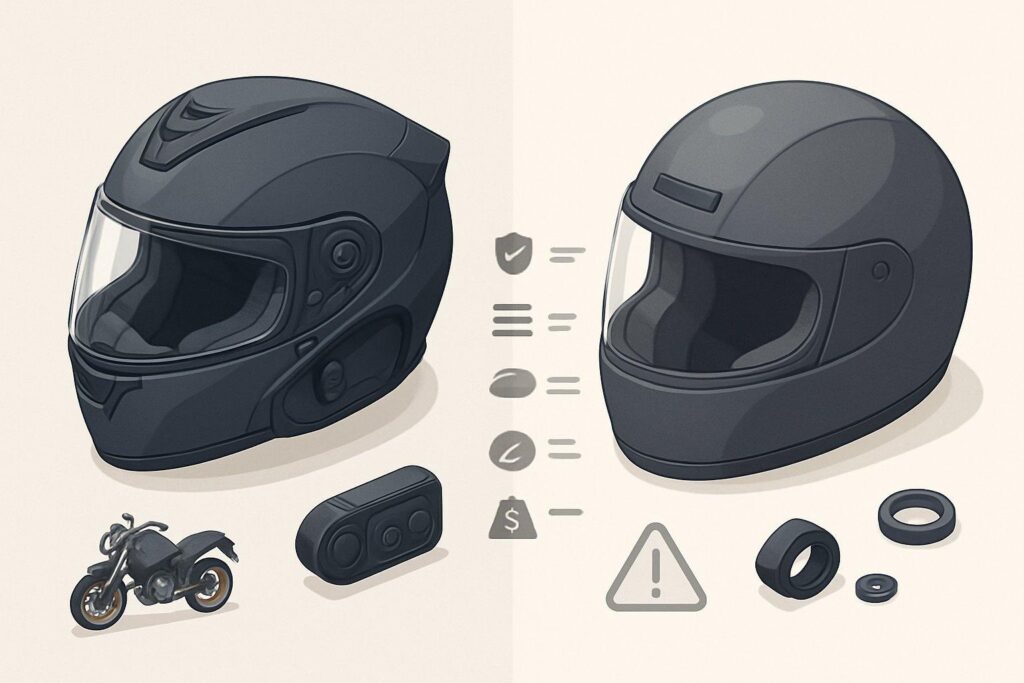
The gap between budget and premium motorcycle helmets shows up most clearly in how they fit, how long they last, and whether they match your specific riding needs.
Helmet Fit and Comfort
Budget motorcycle helmets often come in limited shell sizes, which means manufacturers use thicker padding to accommodate different head shapes. This approach creates a bulkier fit that may feel tight in some areas and loose in others. The liner materials in cheap motorcycle helmets typically use basic foam with simple fabric covers that don’t breathe well and can feel rough against your skin.
Premium helmets offer multiple shell sizes and include removable cheek pads in different thicknesses. You can customize the fit to match your head shape exactly. High-end helmets use moisture-wicking liners with antibacterial properties that stay comfortable during long rides.
The padding quality makes a big difference over time. Cheap helmets compress and lose their shape within a year or two, creating a looser fit that reduces safety. Premium helmet interiors maintain their shape for years. Many expensive models include ear pads that reduce noise and prevent pressure points around your ears.
Durability and Long-Term Value
The shell material determines how long your helmet will last. Cheap motorcycle helmets use polycarbonate plastic that degrades when exposed to sunlight and UV rays. These helmets typically need replacement every 3-4 years even without any impacts.
Quality helmets use fiberglass composites or carbon fiber that resist UV damage and maintain their structural integrity longer. A mid-range helmet with a fiberglass shell can last 5-7 years with proper care. The visor mechanisms on expensive helmets also hold up better, with sturdy quick-release systems that stay tight after hundreds of uses.
Premium helmets usually include longer warranty periods. Budget options offer 1-2 years of coverage, while brands like Schuberth C5 provide 5 years or more. The interior components like visors, vents, and padding are easier to replace on high-end helmets, which extends the overall lifespan of your investment.
Helmet Types and Intended Riding Style
Your riding style should guide how much you spend on motorcycle gear. Sport bike riders who spend hours at highway speeds benefit most from premium full-face helmets with advanced aerodynamics and noise reduction. Dual sport helmets for adventure riding need strong ventilation and a sun visor, features that work better on mid-range and expensive models.
For riders drawn to classic styling, premium cafe racer helmets offer a balance of certified protection and timeless design, often using hand-finished shells and high-end interiors. These helmets prioritize comfort, lightweight materials, and aesthetics that suit vintage and modern café racer builds alike.
Casual riders using half helmets for short trips around town won’t see as much benefit from premium features. A quality helmet in the budget range provides adequate protection for low-speed urban riding.
Specific features matter more for certain riding styles. Touring riders benefit from photochromic visors that adjust to light conditions and anti-fog visors for all-weather riding. These features rarely appear on cheap motorcycle helmets. Track riders need lightweight carbon shells that reduce neck fatigue during aggressive riding. Commuters prioritize communication system compatibility and good ventilation for stop-and-go traffic.
Frequently Asked Questions
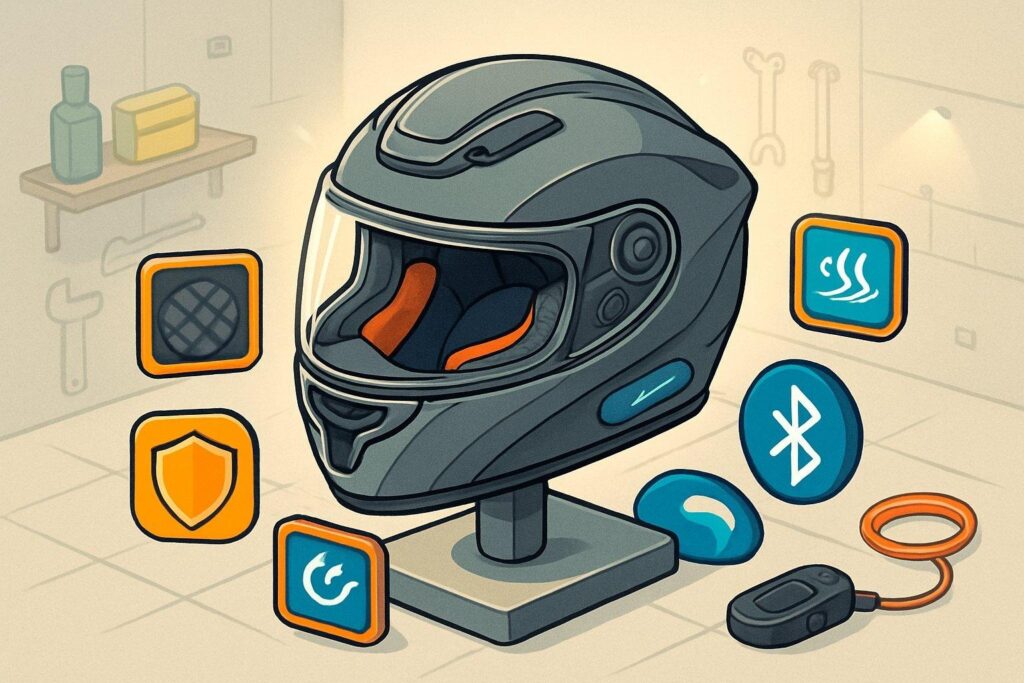
Riders often have specific questions when deciding how much to invest in a motorcycle helmet. The answers below address common concerns about safety standards, materials, comfort features, durability, and customer support.
What safety certifications should you look for in a high-quality motorcycle helmet?
You should look for helmets that meet DOT certification at a minimum if you ride in the United States. This means the helmet has passed the Department of Transportation’s safety standards.
ECE 22.05 or 22.06 certification is the European standard and is often considered more rigorous than DOT. Snell certification represents an even higher level of testing with stricter impact standards. Some premium helmets carry multiple certifications, which shows they’ve been tested under different protocols.
The certification sticker or label should be permanently attached to the helmet. You can usually find it on the back or inside the helmet.
How does helmet material and construction quality affect pricing?
The shell material directly impacts both the helmet’s cost and performance. Polycarbonate shells are the most affordable option and offer good protection, but they tend to be heavier.
Fiberglass shells provide better strength-to-weight ratios and cost more than polycarbonate. Carbon fiber represents the premium choice with the best strength-to-weight ratio available. These helmets reduce neck fatigue on long rides but come with higher price tags.
Advanced composite materials combine different fibers to balance weight, strength, and cost. The manufacturing process also affects price, with hand-laid composites requiring more labor than injection-molded plastics.
In what ways do premium motorcycle helmets enhance rider comfort?
Higher-end helmets typically include better ventilation systems with multiple adjustable vents. These systems use advanced airflow channels to keep your head cooler during rides.
Premium helmets offer removable and washable liners made from moisture-wicking materials. The fit is usually more refined with different cheek pad sizes and crown pad options. You get better noise reduction due to improved aerodynamics and seal quality around the face and neck.
The weight difference matters on longer rides. A lighter helmet reduces strain on your neck and shoulders over time.
What advanced features do higher-end motorcycle helmets offer?
Many premium helmets come with built-in Bluetooth connectivity for music, phone calls, and rider communication. You’ll find integrated sun visors that drop down with a switch instead of requiring you to swap shields.
Anti-fog systems work better in expensive helmets, using Pinlock inserts or advanced coatings. The face shields themselves often have better optical clarity with minimal distortion. Quick-release shield mechanisms make swapping between clear and tinted shields faster.
Some high-end models include emergency release systems that let medical personnel remove the helmet more safely. Advanced retention systems provide better security without pressure points.
Can the cost of a motorcycle helmet influence its lifespan and durability?
More expensive helmets often use better quality materials that resist wear and degradation longer. The shell materials in premium helmets maintain their protective properties better over time.
All helmets have a recommended replacement timeline regardless of price. You should replace any helmet after five years from the manufacture date or immediately after any impact. The protective foam inside breaks down over time from sweat, oils, and UV exposure.
Higher-quality helmets may maintain their comfort features and appearance better over their usable life. The hardware, vents, and shield mechanisms in premium helmets tend to function smoothly longer than budget options.
Is there a difference in the level of after-sales service and warranty among pricier helmets?
Premium helmet brands usually offer longer warranty periods that cover defects in materials and workmanship. You’ll get better customer service with faster response times and easier warranty claims.
Expensive helmet manufacturers keep replacement parts in stock for a longer time. You can find new shields, liners, and hardware for high-end helmets years after purchase. Budget brands often stop offering parts sooner.
Some premium brands have crash replacement programs that give you discounts on new helmets if yours is damaged in an accident. Higher-priced helmet manufacturers also provide more options for extended warranties and repair services.